
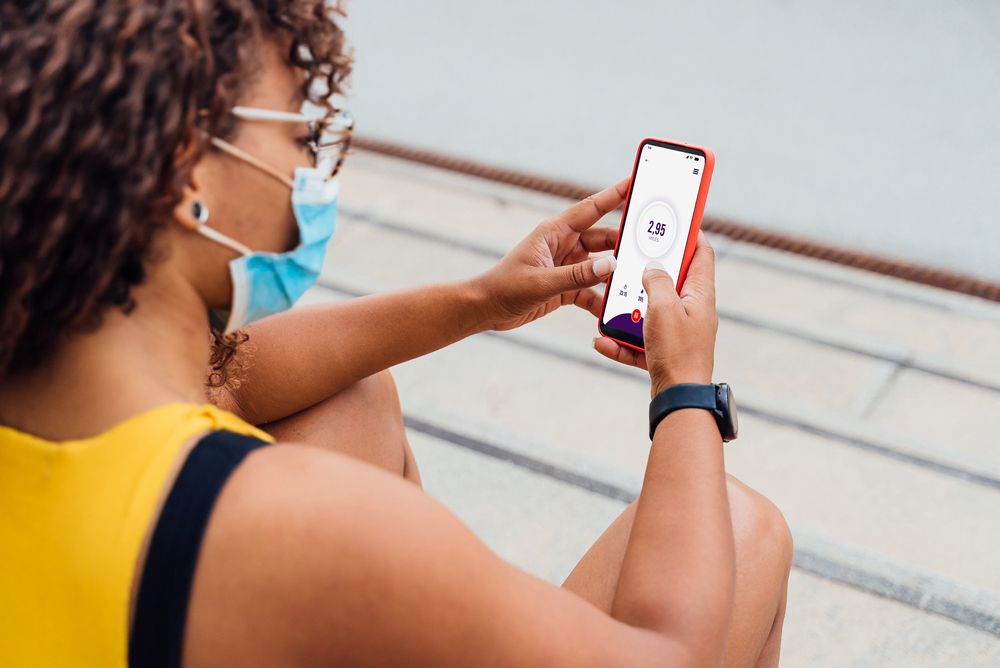
Insurance companies can and do weaponize your online presence. They can hire investigators to surveil your digital life and systematically misinterpret innocent content to build false narratives about your capabilities. They know that social media shows highlights, not reality. They know that disabilities fluctuate. They know that a photo from a good day does not negate the existence of disability – but they will use it against you anyway.
At Kantor & Kantor, LLP, we have watched insurers deliberately ignore medical documentation in favor of a single photograph. We have fought to restore benefits for clients whose worst mistake was trying to maintain human connections while disabled.
You have a right to live your life, even while disabled. Contact Kantor & Kantor, LLP today at 818-886-2525 or by completing a brief online online form.
Short Answer: Can Social Media Actually Ruin a Disability Claim?
Not by itself. A single photo or post does not prove you are able to work, and insurers know this.
But social media can give insurers excuses to deny or terminate benefits if they twist your content out of context.
With the right legal response, “social media evidence” is often weak, misleading, and reversible.
What Social Media Cannot Capture
Everyone posts their highlights. Everyone shares the good moments, the celebrations, the times they felt well enough to participate. No one creates Instagram albums of their worst days, their pain-filled nights, their hours of debilitating fatigue, or their mental health crises.
Chronic pain has better days and worse days. Autoimmune conditions flare and remit. Mental health conditions improve and deteriorate cyclically. Fatigue comes in waves. Most disabilities are unpredictable, variable, and invisible – something insurers choose to ignore.
But insurers treat any evidence of a “good moment” as proof that you are always capable of that level of function. They know this is false, but it serves their financial interest to pretend otherwise.
How Insurers Monitor Your Social Media
When insurers investigate social media, they are conducting comprehensive digital surveillance that includes:
Professional investigators with specialized training
Insurance companies can hire private investigators who specialize in social media intelligence. These are professionals using advanced search techniques, facial recognition software, and data mining tools to compile exhaustive profiles of claimants’ online activities.
Monitoring your entire network, not just you
They may track:
- Your spouse’s and children’s profiles
- Your friends’ and extended family’s accounts
- Tagged photos you didn’t post
- Comments you leave on others’ content
- Online groups, forums, and communities
- Events you appear associated with
Searching for deleted or “removed” content
Just because you deleted something does not mean it is gone. Investigators use:
- Cached versions of web pages
- Web archiving tools that capture historical content
- Screenshots captured by others
Monitoring for extended periods
Surveillance is not a one-time search. Insurers monitor your social media continuously throughout the claims process, sometimes for years.
In short: insurers treat your digital footprint as surveillance territory.
How Insurers Misinterpret Your Social Media
Insurers commonly twist benign content into misleading conclusions:
- A smiling photo = “No depression or pain.”
- A restaurant outing = “Able to sit, stand, and drive without difficulty.”
- Carrying a grocery bag = “No lifting restrictions.”
- Attending a wedding = “Capable of sustained physical and social activity.”
- A vacation photo = “Fit to travel; therefore fit to work.”
- Playing with children = “Mobility and stamina adequate for employment.”
- Using filters = “Appears energetic and healthy.”
A single moment does not reflect your day, your week, or your capacity for full-time work – but insurers pretend it does.
What Insurance Companies Look For
Understanding what triggers red flags helps you avoid giving insurers ammunition.
Photos and Videos of Any Physical Activity
Investigators scrutinize visuals showing you:
- Walking, standing, or moving without visible assistive devices
- Lifting anything, even light objects
- Participating in sports or recreational activities, no matter how modified
- Gardening, home improvement, or yard work
- Playing with children or pets
- Dancing, even seated or minimally
- Traveling, regardless of accommodations made.
Check-Ins and Location Tags
Examples include:
- Restaurants
- Social events
- Vacations
- Entertainment venues (concerts, movies, sports events)
- Retail or shopping locations
Posts Suggesting Productivity or Work Capacity
Even innocent posts may be misused:
- Mentioning consulting, freelance work, or volunteering
- Completing home projects
- Taking classes or learning new skills
- Active LinkedIn usage
- Running a hobby business
Statements About Your Condition That Contradict Your Claim
Such as:
- Feeling better today!”
- had the energy to do X.” “
Should You Stop Using Social Media While on Disability?
You do NOT have to delete your social media or isolate yourself.
But you should be cautious.
Before posting, ask yourself:
“Could someone who doesn’t know me – or my medical history – misinterpret this?”
When in doubt:
- Keep posts private
- Disable tags
- Avoid posting on “good days”
- Never discuss your condition publicly
- Do not accept new friend/follower requests from unknown profiles
You deserve a life outside of your disability – and social media should not take that away.
What to Do If Your Claim Has Been Denied Based on Social Media Evidence
If your benefits have been denied or terminated due to social media content, your claim is not ruined. Insurers routinely misuse online content, and these denials are often reversible.
Here are some immediate steps to take:
Step 1: Obtain Your Complete Claim File
Request every document in the insurer’s file, including:
- Social media posts they collected
- Investigation reports
- Screenshots, photos, and videos
- Communications between investigators and claim analysts
- Notes on how posts were interpreted
Step 2: Analyze How Evidence Was Misrepresented
Work with your attorney to identify:
- How posts were taken out of context
- Misstatements of what photos truly show
- Evidence of cherry-picking “good moments”
- Ignored medical documentation
- Violations of fair claims-handling practices
Step 3: Gather Supporting Medical Evidence
Your doctors can provide statements explaining:
- How symptoms fluctuate
- Why brief activities do not equal work capacity
- How accommodations were used
- What symptoms occurred afterward (flare-ups, post-exertional crashes)
- How the activity shown in the photo is misleading
If your insurer is monitoring your social media – or you believe they are preparing a denial – contact us immediately.
Early intervention can prevent wrongful termination of benefits.
Let Kantor & Kantor Help You Protect Your Short- or Long-Term Disability Insurance Claim From False Social Media Use
At Kantor & Kantor, LLP, we understand what disability claimants are up against in the age of social media surveillance. We have seen how insurers systematically misrepresent innocent content, and we know how to counter these tactics with strong medical and legal advocacy.
Your disability is real. Your limitations are legitimate. Your need for benefits is genuine. A single photo cannot erase that.
Insurance companies have sophisticated surveillance operations and extensive resources dedicated to denying claims. You deserve someone equally skilled fighting for you.
Contact Kantor & Kantor, LLP, or by completing a brief online or at 818-886-2525 to schedule a free case evaluation with our experienced disability insurance attorneys.
